A garage floor can look worn out long before the rest of the home does. Oil spots soak in, concrete dust follows you inside, hot tires leave marks, and an old coating can peel under Arizona heat. The top benefits of polyaspartic coatings come down to solving those real problems with a surface built for daily use, not just a good first impression.
For East Valley homes and businesses, the coating itself matters, but so does the system behind it. Concrete must be properly prepared, cracks need attention, and each layer has to be installed for the conditions it will face. No shortcuts and no skipped steps. When the work is done right, polyaspartic creates a cleaner, stronger, better-looking concrete surface that is ready on a practical timeline.
Top Benefits of Polyaspartic Coatings in Arizona
Fast curing means less disruption
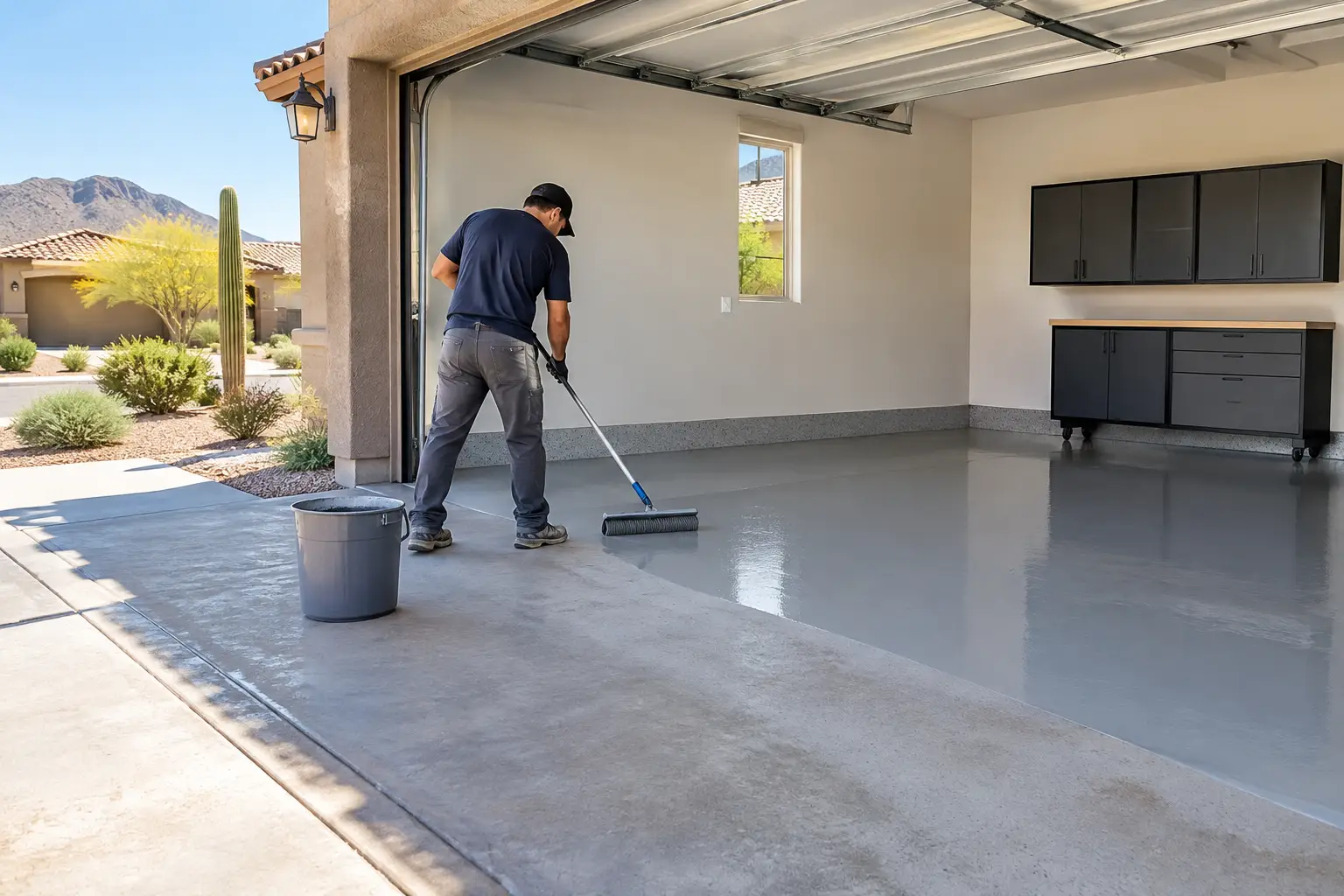
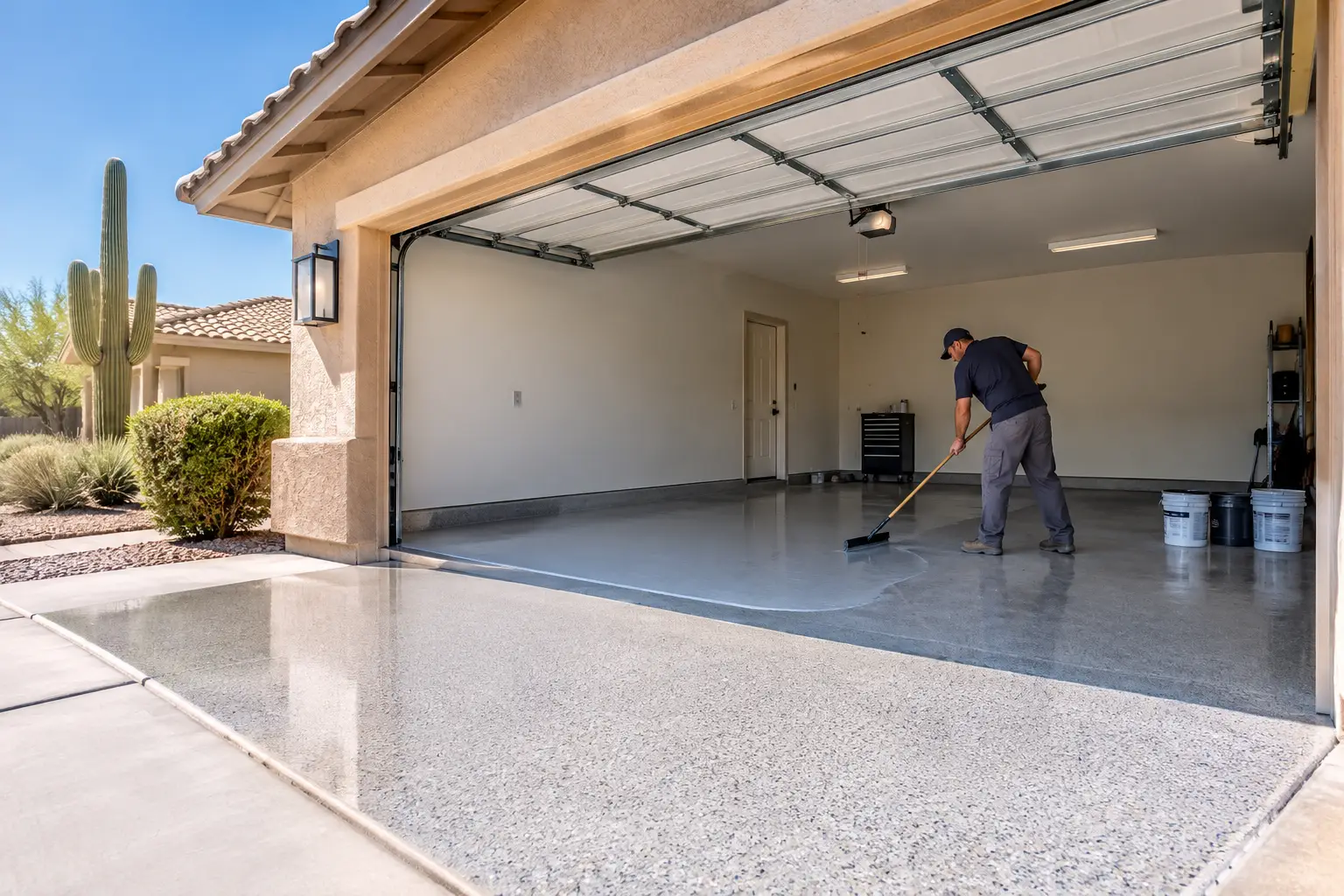
One of the strongest advantages of a 100% polyaspartic system is cure time. Traditional epoxy floors can require several days before they are ready for normal use. A professionally installed polyaspartic floor can often be completed in one day, with vehicle traffic typically restored the following morning.
That matters when your garage is where you park, store tools, work on projects, or move in and out every day. It matters even more for a warehouse, showroom, shop, or other commercial space where closing off the floor can interrupt operations. Fast curing is not just a convenience. It reduces the time your space is out of service.
Fast installation does not mean rushed installation. The concrete still needs mechanical preparation so the coating has a sound surface to grip. Repairs, base coats, decorative chips when selected, and topcoats all need to be handled in the right order. The difference is that polyaspartic chemistry allows that disciplined process to happen on a much shorter schedule.
Better resistance to Arizona sun and heat
Arizona concrete takes a beating. Garage entries, patios, pool decks, and covered outdoor areas can see intense UV exposure and high surface temperatures. Basic coatings that look fine at first may yellow, fade, soften, or lose adhesion over time when they are not suited to those conditions.
Polyaspartic coatings are known for strong UV stability. That helps the finished floor keep its color and appearance better than many standard epoxy systems, especially in areas exposed to sunlight. It is a practical reason to choose polyaspartic for patios and exterior-adjacent spaces where the sun is part of the daily environment.
Heat also affects how a floor performs under vehicles. Hot-tire pickup happens when warm tires pull a weak or poorly bonded coating away from the concrete. Proper surface preparation and a quality polyaspartic system help address that risk. No coating can overcome a slab that has not been prepared correctly, which is why the prep work is just as important as the product.
Strong adhesion that helps prevent peeling
Peeling floors are usually not a mystery. In many cases, the coating was applied over concrete that was too smooth, contaminated, damp, or improperly repaired. A do-it-yourself kit may cover the slab for a while, but paint-like adhesion is not enough for a floor that sees vehicles, dropped tools, rolling equipment, and regular cleaning.
A professional polyaspartic installation begins by profiling the concrete mechanically. This creates the proper surface texture for the coating to bond into the slab rather than simply sit on top of it. Cracks and damaged areas are repaired before the coating system is installed, helping the finished floor look more uniform and perform more reliably.
Concrete can still move and develop new cracks over time, particularly in Arizona soils and temperature swings. A coating is not a structural repair for major slab movement. But a properly prepared polyaspartic floor gives sound concrete a far better chance of holding up than a thin, lightly prepared coating.
Easier cleaning and a more usable garage
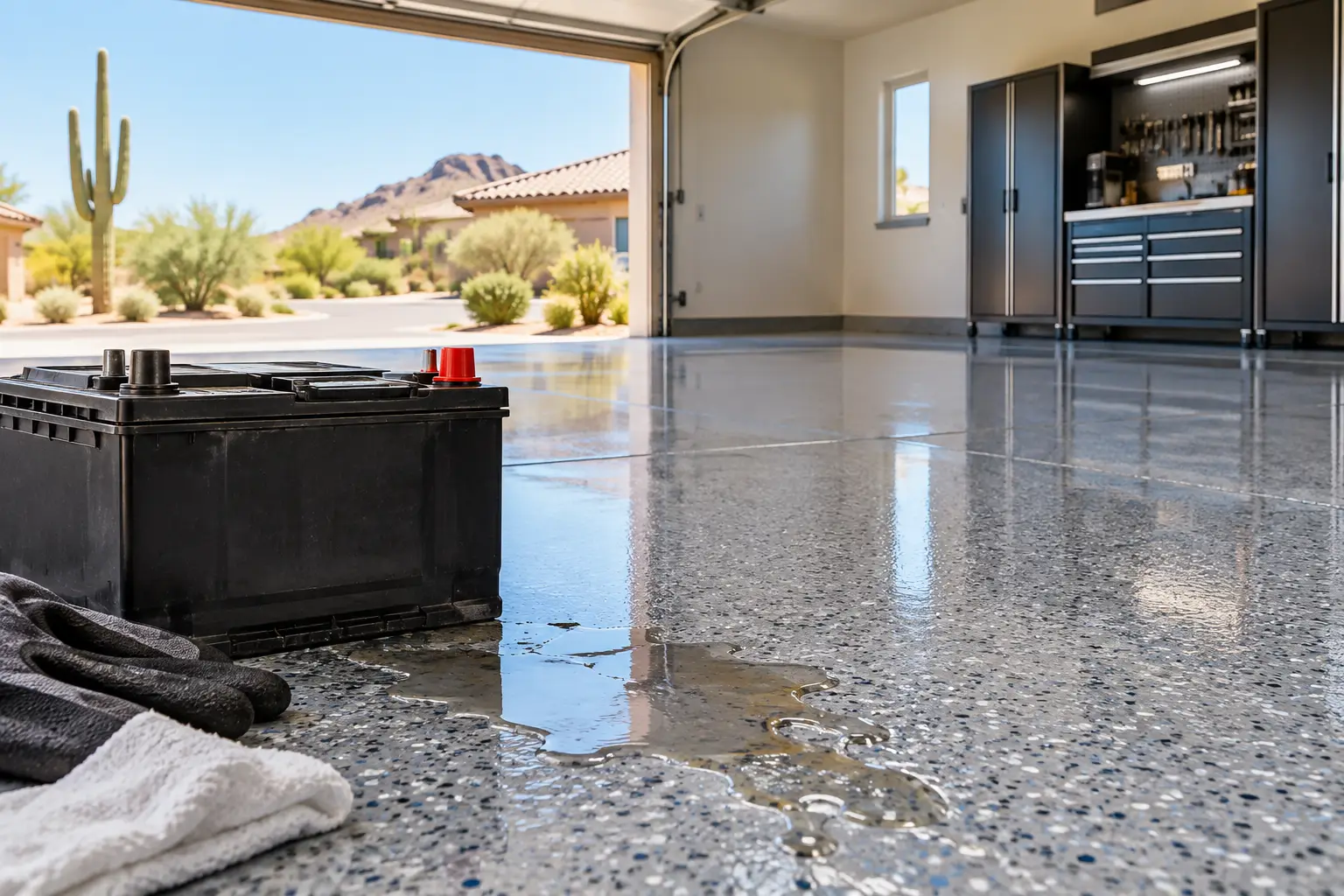
Bare concrete is porous. Oil, automotive fluids, fertilizer, paint, and everyday grime can work their way into the surface. Dusting concrete is another common frustration, especially in garages where fine powder tracks into the house or settles on stored items.
A polyaspartic coating seals the concrete under a durable, nonporous finish. Most routine messes stay on the surface, where they can be swept, blown out, or cleaned with a mop and appropriate cleaner. Instead of fighting old stains embedded in the slab, you have a floor designed to be maintained.
That easier cleanup changes how a garage feels. It can become a place for parking, storage, workouts, hobbies, and projects without looking like unfinished space. For commercial facilities, it also supports a more professional appearance for employees, customers, and visitors.
Decorative options without sacrificing performance
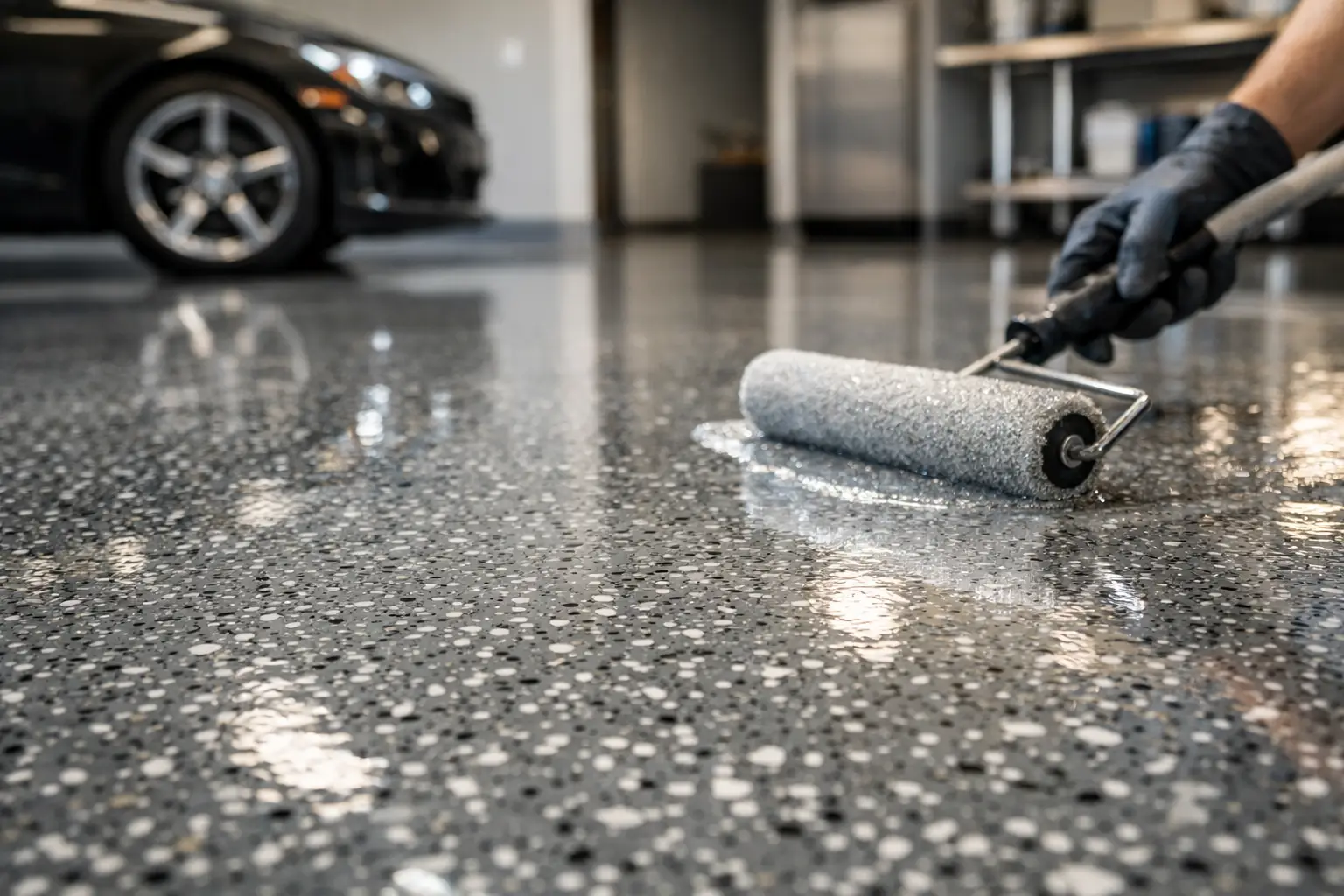
A coated floor should work hard, but it should also fit the property. Full-chip polyaspartic systems provide a finished, textured appearance that helps hide minor dirt and creates a more intentional look than plain gray concrete. Color blends can complement a garage, workshop, patio, retail area, or showroom without making the floor feel overly decorative.
The visual benefit is especially valuable when a homeowner is organizing a garage or preparing a property for sale. A clean, finished floor makes storage cabinets, vehicles, and equipment look better because the entire space feels maintained. In a commercial setting, it can help turn a back-of-house work area into a floor that reflects the standards of the business.
Appearance should not be the only deciding factor. A coating system needs to match the use of the space. A garage with daily vehicles, a pool deck that gets wet, and a warehouse with rolling loads do not all need the same texture or finish. A good on-site estimate should account for traffic, sunlight, moisture exposure, and safety needs before recommending a system.
Added traction where concrete gets wet
Smooth concrete can become slick around pools, patios, exterior walkways, and garage entries. Polyaspartic systems can be finished with texture to provide more traction underfoot. That makes them a useful option for areas where water, rain, pool splash, or wet shoes are part of normal use.
There is a trade-off. More texture generally means more grip, but it can also make the surface slightly harder to mop than a smoother finish. The goal is not maximum roughness. It is the right amount of traction for the space, so the floor remains comfortable to use and straightforward to clean.
Where Polyaspartic Coatings Make the Most Sense
Polyaspartic coatings are a strong fit for many concrete surfaces, but the best application depends on the condition and use of the slab. Garages are the obvious choice because they deal with hot tires, oil, dust, and constant foot traffic. Patios and covered outdoor living spaces benefit from UV resistance, easier cleanup, and a more finished appearance.
Pool decks can benefit from texture and improved appearance, provided the existing concrete is evaluated for soundness and the chosen system suits the area. Commercial spaces such as shops, warehouses, showrooms, and service bays benefit from quick return to use and a surface that is easier to maintain under heavy activity.
Polyaspartic is not a cure-all for every concrete problem. Severe moisture issues, failing concrete, major settlement, and structural cracking need to be identified before coating begins. A contractor who promises to coat over every problem without inspecting the slab is not protecting your investment. The right answer sometimes starts with repair work or a different approach.
The Installation Details That Protect the Investment
The best material can still fail when installation is careless. A dependable coating project starts with an on-site look at the concrete, followed by thorough mechanical grinding to remove weak surface material and create a proper profile. Cracks and joints are assessed, repairs are completed where appropriate, and the floor is cleaned before the coating layers go down.
From there, the system is built for the selected finish and the way the space will be used. A final walkthrough gives the customer a chance to review the completed work, understand care recommendations, and confirm that the project meets expectations. That accountability matters as much as the brochure claims about any coating.
TRM Garage Floors approaches these projects with that standard in mind: prepare the slab correctly, use polyaspartic systems made for demanding Arizona conditions, and leave the space ready for real life. If your concrete is dusty, stained, faded, or peeling, a pressure-free on-site estimate can help you determine whether coating it is the practical next step.
TRM Garage Floors installs 100% polyaspartic coating systems for garages, patios, and commercial spaces across the East Valley. Free estimates, done in one day.