A garage floor can look rough long before the concrete is structurally finished. Oil spots, tire marks, chalky dust, hairline cracks, and an old peeling coating can make the whole space feel neglected. In Arizona, intense sun and heat add another layer of wear. Concrete resurfacing gives homeowners a way to improve that surface without tearing out a sound slab and starting over.
But resurfacing is not a one-size-fits-all fix. The material, preparation, and condition of the concrete all matter. A floor can look great on installation day and still fail early if the coating was applied over contamination, weak concrete, moisture problems, or poorly repaired cracks. No shortcuts, no skipped steps.
What Concrete Resurfacing Actually Means
Concrete resurfacing is the process of renewing an existing concrete surface with a repair material, overlay, coating system, or a combination of these methods. The goal is not always to make damaged concrete disappear completely. It is to create a clean, durable, usable surface while addressing the issues that can shorten its life.
For a garage floor, resurfacing often means repairing cracks and damaged areas, mechanically preparing the slab, and applying a professionally installed coating. For patios, pool decks, covered outdoor spaces, warehouses, and shops, the right system may also need to address traction, UV exposure, foot traffic, vehicle traffic, and cleaning requirements.
A thin decorative overlay and a high-performance polyaspartic coating are not the same thing. Overlays can change the appearance or profile of concrete, while a coating system is designed to bond to properly prepared concrete and protect it from stains, abrasion, and daily use. The right choice depends on what is happening beneath the surface.
When Resurfacing Is a Good Fit
Resurfacing is often a practical option when the slab is fundamentally sound but looks worn, stained, dusty, or uneven in color. It is especially useful for homeowners who want a garage that is easier to sweep, easier to clean after a spill, and more organized-looking without a full concrete replacement project.
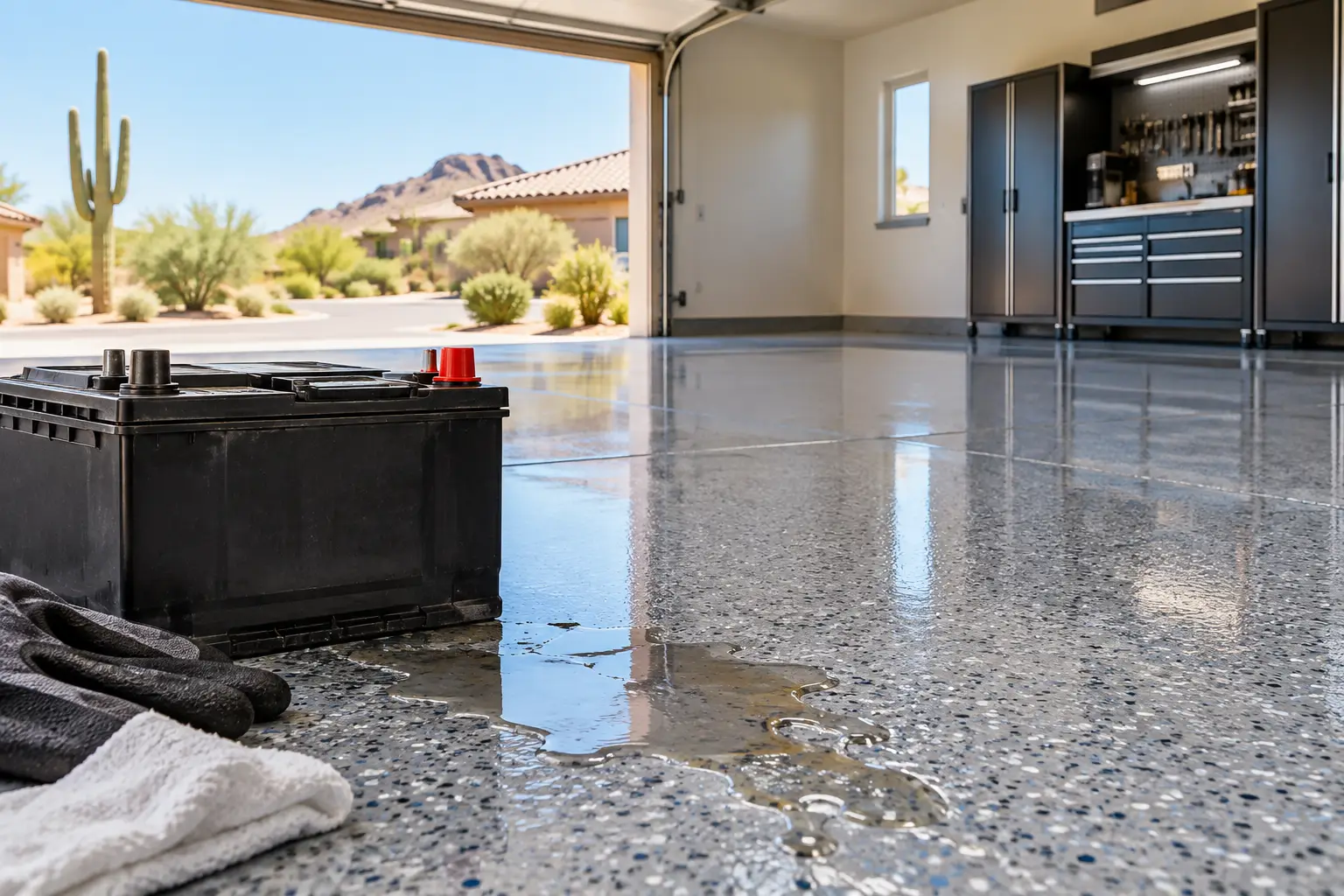
Common signs a surface may be a candidate include light to moderate cracking, surface dusting, old paint or epoxy failure, oil staining, hot-tire marks, minor spalling, and faded exterior concrete. These problems are frustrating, but they do not automatically mean the slab has to be removed.
A professional on-site evaluation should look beyond appearance. The installer needs to check whether cracks are stable, whether the concrete is weak or delaminating, whether there is moisture pressure, and whether previous coatings can be properly removed. That assessment is where durable results begin.
When Replacement May Be the Better Call
Not every slab should be resurfaced. Concrete that is badly heaved, actively moving, severely broken apart, or experiencing drainage-related erosion may need more extensive repair or replacement first. Resurfacing cannot stop a foundation issue, correct major settlement, or permanently hide movement in a slab.
The honest answer is sometimes that it depends. Hairline cracks can often be repaired as part of a coating project. Large cracks that continue to open and close may remain visible over time, even after careful repair. A reputable contractor should explain that trade-off clearly before work begins.
Why Arizona Preparation Matters More Than the Finish Color
A coating is only as good as the concrete it is bonded to. That matters everywhere, but East Valley concrete deals with punishing temperatures, dry conditions, UV exposure, and years of tracked-in dirt, oil, and tire residue. Simply cleaning the floor and rolling a product over it is not concrete resurfacing done right.
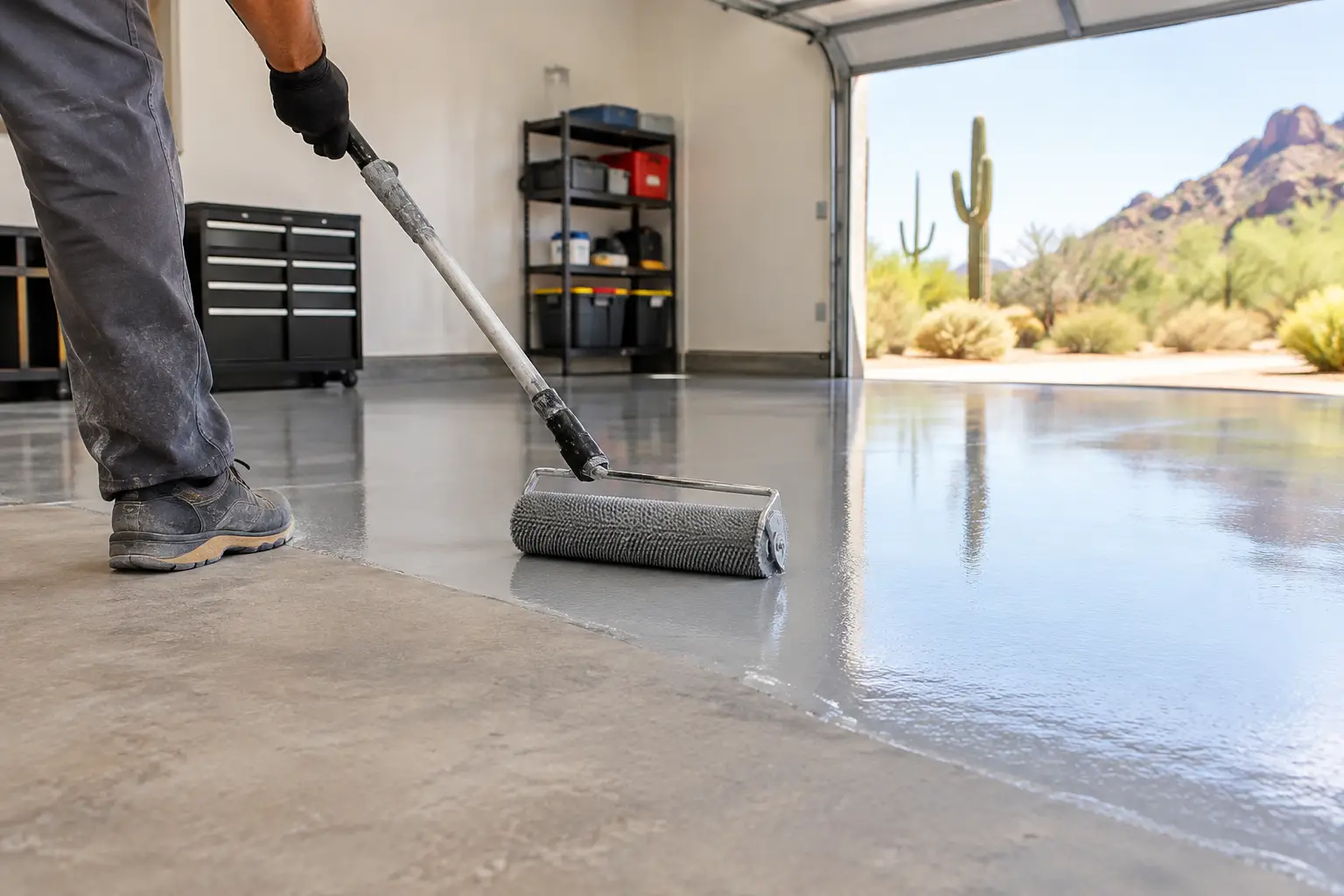
Proper mechanical preparation opens the concrete surface so the coating can bond. This typically involves diamond grinding rather than relying on acid etching or basic cleaning alone. Grinding removes weak surface material, old failing coatings, and contamination while creating the right profile for the system being installed.
Crack and joint repair come next. Damaged areas need to be cleaned, filled with suitable repair materials, and prepared so they do not become weak points beneath the finish. Floors also need careful edge work, because the details around walls, steps, and door openings affect how finished the project looks.
This prep work is not the flashy part of the job. It is also the part that determines whether the finished floor holds up to parked vehicles, tool boxes, lawn equipment, foot traffic, and regular cleaning.
Why Polyaspartic Coatings Work Well for Local Concrete
For many Arizona garage and commercial-floor applications, a 100% polyaspartic coating system offers advantages over basic epoxy products. Polyaspartic coatings are designed for strong adhesion, fast curing, and resistance to UV exposure. That is a meaningful difference for garage floors that see hot tires and outdoor spaces exposed to direct sun.
Basic epoxy can be a workable product in certain interior settings, but it may yellow, wear, or struggle under harsh UV exposure depending on the formula and installation conditions. Many DIY kits also lack the surface preparation and build quality needed for demanding garage use. A floor may look fine at first, then peel where tires regularly park or where the slab was not properly profiled.
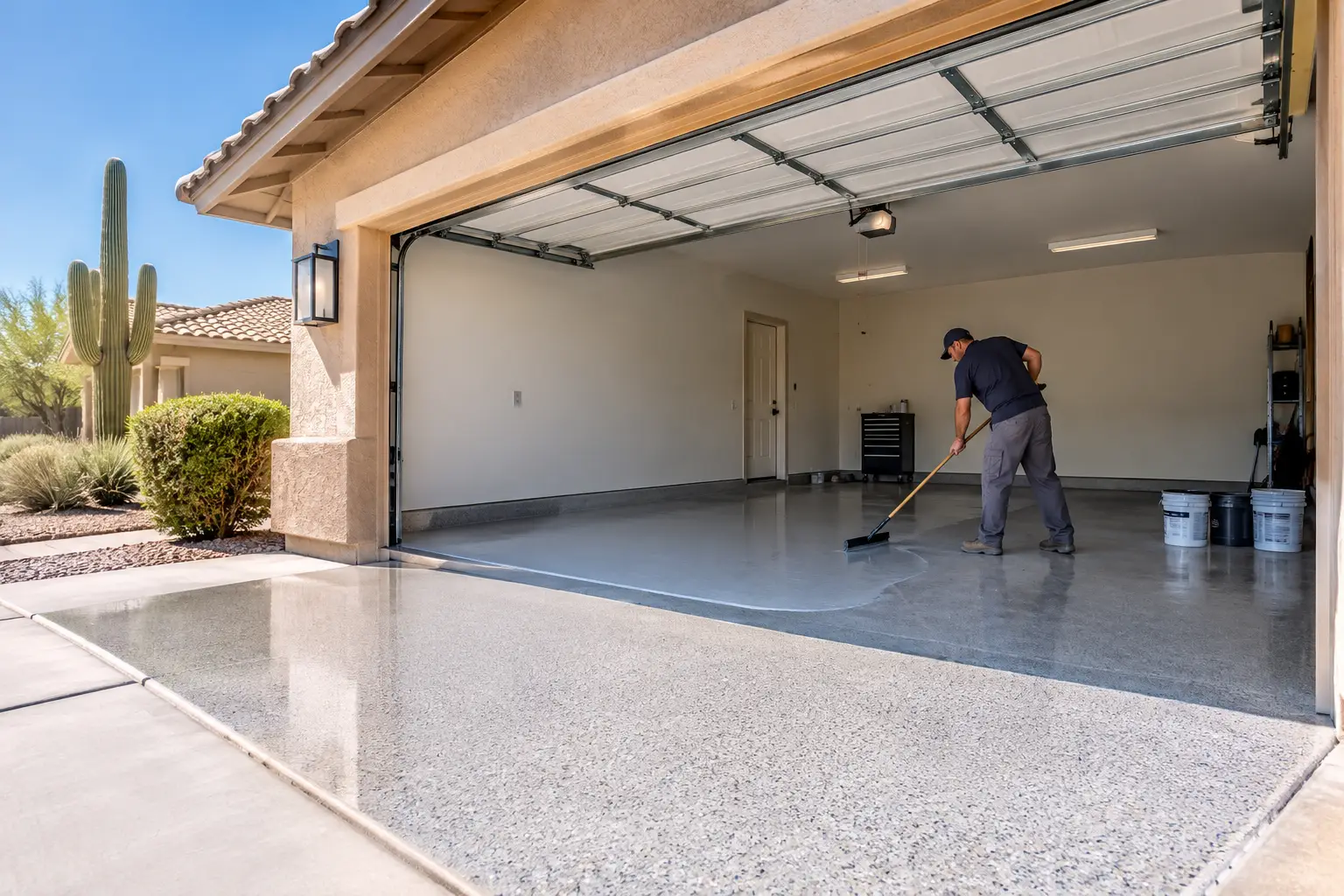
A professionally installed polyaspartic system can be completed in one day in many residential applications, with vehicle traffic typically restored the following morning. That short turnaround is valuable when the garage is part of everyday life, not a storage room that can stay empty for a week.
The finished surface is also easier to maintain. Instead of concrete dust collecting along walls and under shelving, homeowners have a sealed surface that can be swept, blown out, or cleaned with a mild cleaner and water. Oil, automotive fluids, and common household spills are far less likely to soak into the slab when they are cleaned up promptly.
The Resurfacing Process Should Be Clear
Homeowners should not have to guess what is happening to their concrete. A well-run resurfacing project follows a disciplined sequence, starting with an on-site estimate and a direct conversation about the floor's condition, the intended use, and any repair limitations.
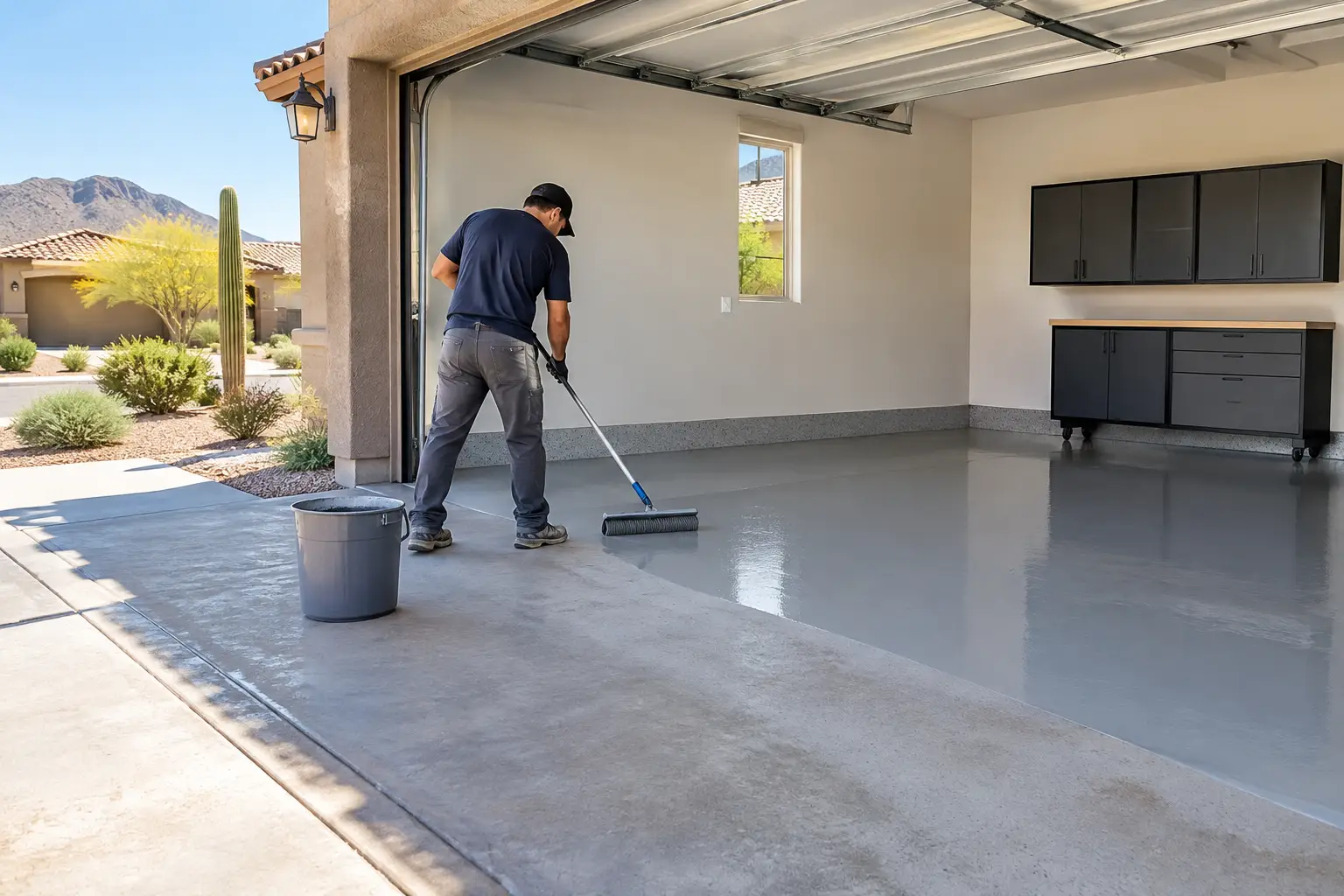
On installation day, the area is cleared and protected as needed. The slab is mechanically ground, cracks and damaged sections are repaired, and dust is thoroughly managed. The coating system is then installed in layers. Decorative flakes can be broadcast across the floor for color, texture, and visual depth, followed by a clear protective topcoat.
The final walkthrough matters. It gives the homeowner an opportunity to inspect the surface, understand the return-to-service timing, and learn how to care for the floor. TRM Garage Floors takes this approach because a quick installation should still be a careful one.
Choosing a Finish for How You Use the Space
Color matters, but function should lead the decision. A full-flake garage floor creates a finished appearance while helping disguise everyday dust and minor debris. Lighter blends can make a garage feel brighter, while mid-tone blends often hide tire residue and outdoor dirt well.
For patios and pool decks, traction needs closer attention. Any surface can become slippery when wet if the finish is too smooth or if water is allowed to sit. The coating system, texture, drainage, and intended use should be discussed together. A pool deck with frequent bare feet has different needs than a covered patio or a warehouse aisle.
Commercial floors deserve the same practical planning. A showroom may prioritize appearance and easy cleaning, while a warehouse or automotive shop may need a system built around heavier traffic, equipment, and frequent spills. The best finish is the one that supports how the space actually works.
How to Protect a Resurfaced Concrete Floor
A quality coating reduces maintenance, but it does not eliminate it. Sweep or blow out abrasive sand and gravel regularly, particularly near garage doors and exterior entries. Wipe up fuel, oil, chemicals, and standing water rather than allowing them to sit for long periods.
Avoid dragging sharp metal items across the floor, and use protective pads beneath very heavy equipment when appropriate. If you pressure wash an exterior coated surface, use reasonable pressure and keep the nozzle moving. The goal is to clean the surface, not force water into edges, cracks, or joints.
Most importantly, do not judge a resurfacing system by its first-week shine alone. A durable floor comes from matching the product to the environment, preparing the concrete correctly, and treating repairs honestly. For Arizona homeowners, that means choosing a solution built for real heat, real traffic, and the way the space will be used every day.
A worn slab does not have to stay the part of the property you avoid showing. Start with a clear assessment of the concrete, ask direct questions about preparation and cure time, and choose a finish that makes the space easier to use tomorrow morning and for years after.
TRM Garage Floors installs 100% polyaspartic coating systems for garages, patios, and commercial spaces across the East Valley. Free estimates, done in one day.